The post Small Language Models SLMs 2024 overview appeared first on SOOPSTENIE.mk.
]]>2408 14340v3 Foundation Models for Music: A Survey

There are several reasons why lesser-sized language models fit into the equation of language models. These requirements can render LLMs impractical for certain applications, especially those with limited processing power or in environments where energy efficiency is a priority. Microsoft, Mistral, Meta—these are the big names behind Chat GPTs. Microsoft led the way with its Phi-3 models, proving that you can achieve good results with modest resources. SLMs need less computational power than LLMs and thus are ideal for edge computing cases. They can be deployed on edge devices like smartphones and autonomous vehicles, which don’t have large computational power or resources.
Small language models represent a pivotal advancement in democratizing AI, making it more accessible, adaptable, and beneficial to many users and applications. As technology evolves and barriers diminish, SLMs will continue to shape a future with AI enhancing human capabilities effectively. Large language models are costly to train and use because they require a lot of computing power. Small models are much cheaper to run, meaning that cutting-edge NLP becomes affordable for more companies and developers, even with limited budgets. They also consume fewer resources, lowering operating costs and reducing environmental impact. Large and small language models differ not only in the number of parameters, but also in the amount of data processed, training data, required storage, and neural architecture.
Microsoft’s Phi-2 showcases state-of-the-art common sense, language understanding, and logical reasoning capabilities achieved through carefully curating specialized datasets. With significantly fewer parameters (ranging from millions to a few billion), they require less computational power, making them ideal for deployment on mobile devices and resource-constrained environments. Despite these advantages, it’s essential to remember that the effectiveness of an SLM largely depends on its training and fine-tuning process, as well as the specific task it’s designed to handle. Thus, while lesser-sized language models can outperform LLMs in certain scenarios, they may not always be the best choice for every application. They’re affordable, practical, and fit well into many business needs without the need for supercomputers.
Future opportunities and challenges for small language models
Because bigger language models translated to be the better language models. LLMs demand extensive computational resources, consume a considerable amount of energy, and require substantial memory capacity. No surprise that data center consumption is skyrocketing, renewable-powered or not, and resources are scarce. For instance, Microsoft’s Azure, which hosts OpenAI’s models, has been severely under-capacitated – and might still be. Large language models (LLMs) hit the scene with the release of Open AI’s ChatGPT. Since then, several companies have also launched their LLMs, but more companies are now leaning towards small language models (SLMs).
This smaller size and efficiency is achieved via a few different techniques including knowledge distillation, pruning, and quantization. Knowledge distillation transfers knowledge from a pre-trained LLM to a smaller model, capturing its core capabilities without the full complexity. Pruning removes less useful parts of the model, and quantization reduces the precision of its weights, both of which further reduce its size and resource requirements.
The median decrease in performance for all 10 LMs also is only 0.35%., which can be attributed to some loss of information during paraphrasing. But, most of the models prove robust to perturbations in task definitions, as long as a prompt can reasonably explain the task. Appendix D.3 has more details on obtaining paraphrases https://chat.openai.com/ and results on all LMs. GPT-4o, Gemini-1.5-Pro and GPT-4o-mini are costly, large, closed models accessible using APIs. We use 8 examples with task definition for SOTA models, and report results in Figure 6. Pieces for Developers drives productivity with some of the most advanced edge ML models on the market.
Hugging Face stands at the forefront of democratizing AI with its comprehensive Hub. This platform offers an integrated environment for hosting datasets, orchestrating model training pipelines, and efficiently deploying models through APIs or applications. Notably, the Clara Train module specializes in crafting compact yet proficient SLMs through state-of-the-art self-supervised learning techniques.
Resources
Different techniques like transfer learning allow smaller models to leverage pre-existing knowledge, making them more adaptable and efficient for specific tasks. For instance, distilling knowledge from LLMs into SLMs can result in models that perform similarly but require a fraction of the computational resources. A small language model (SLM) is a type of artificial intelligence model with fewer parameters (think of this as a value in the model learned during training). Like their larger counterparts, SLMs can generate text and perform other tasks. However, SLMs use fewer datasets for training, have fewer parameters, and require less computational power to train and run. Due to their training on smaller datasets, SLMs possess more constrained knowledge bases compared to their Large Language Model (LLM) counterparts.
Microsoft Advances AI Innovation With Phi-3.5 Small Language Model – Forbes
Microsoft Advances AI Innovation With Phi-3.5 Small Language Model.
Posted: Fri, 23 Aug 2024 07:07:56 GMT [source]
An LLM as a computer file might be hundreds of gigabytes, whereas many SLMs are less than five. The fine-tuned model seems to competent at extracting and maintaining knowledge while demonstrating the ability to generate answers to the specific domain. You can foun additiona information about ai customer service and artificial intelligence and NLP. A platform agnostic approach allowed us to execute the same fine-tuning processes on AWS and achieve almost identical results without any changes to the code. The quality and feasibility of your dataset significantly impact the performance of the fine-tuned model. For our goal in this phase, we need to extract text from PDF’s, to clean and prepare the text, then we generate question and answers pairs from the given text chunks.
Adjust hyperparameters such as learning rates and batch sizes to improve the fine-tuning process. Use systematic tuning methods and validate performance on separate test sets to avoid overfitting and ensure the model generalizes well to new data. Once the language model has completed its run, evaluating its performance is crucial.
Sameer Jaokar is a seasoned IT leader with expertise in AI and automation, he has driven significant cost savings and operational efficiencies, delivering millions in value through strategic initiatives. Known for transforming challenges into opportunities, Sameer empowers organizations to achieve sustainable growth and maintain a competitive edge in a tech-driven marketplace. So, if you’re considering implementing AI in your business or project, don’t overlook the potential of Small Language Models, as they could be the ideal solution to meet your requirements. Unlike their larger counterparts, GPT-4 and LlaMa 2, which boast billions, and sometimes trillions of parameters, SLMs operate on a much smaller scale, typically encompassing thousands to a few million parameters.
I suspect this variant of tinyLlama model would be as good as gpt-3.5-turbo. Recently, small language models have emerged as an interesting and more accessible alternative to their larger counterparts. In this blog post, we will walk you through what small language models are, how they work, the benefits and drawbacks of using them, as well as some examples of common use cases. Furthermore, edge machine learning models often process data locally or within a controlled environment for offline AI capabilities, reducing the need for data to leave the organization’s premises.

Note, we abbreviate the model names at some places in the columns of these tables. Collaboration with large language models (LLMs) could also become a common strategy. SLMs handle initial processing and filtering, offloading more complex tasks to larger models when necessary. These frameworks epitomize the evolving landscape of AI customization, where developers are empowered to create SLMs tailored to specific needs and datasets.
These properties remove the aforementioned limitations, and provide additional benefits like on-device usage, faster inference time, easier compliance and security management. Language models are AI computational models that can generate natural human language. The NVIDIA AI Inference Manager software development kit allows for hybrid inference based on various needs such as experience, workload and costs. It streamlines AI model deployment and integration for PC application developers by preconfiguring the PC with the necessary AI models, engines and dependencies.
The goal of an LLM, on the other hand, is to emulate human intelligence on a wider level. It is trained on larger data sources and expected to perform well on all domains relatively well as compared to a domain specific SLM. The landscape of AI is constantly evolving, and so are the needs of your business. LeewayHertz offers ongoing support to keep your SLM-powered solutions up-to-date and performing at their best. Our upgrades and maintenance services include regular performance monitoring, updates to incorporate new features and improvements, and troubleshooting support.
However, the development and implementation of an effective SLM solution demand specialized expertise, resources, and a well-planned strategy. Issues such as data quality and concept drift can quickly degrade performance if the models encounter scenarios outside their training scope. Maintaining the accuracy and relevance of SLMs requires ongoing monitoring and adaptation.

Their efficiency, accessibility, and customization capabilities make them a valuable tool for developers and researchers across various domains. As SLMs continue to evolve, they hold immense promise to empower individuals and organizations alike, shaping a future where AI is not just powerful, but also accessible and tailored to diverse needs. In the dynamic landscape of NLP, small language models serve as catalysts for innovation, democratizing access to advanced language processing tools and fostering inclusivity within the field.
It can then (a) rewrite the information in your data in the format of your choice, and (b) add annotations and infer metadata attributes for your data. Dive into the latest AI innovations with Arthur and industry leaders at our exclusive virtual event. Register now to gain insights, ask your questions live, and explore how AI can shape your business strategy.
AI in investment analysis: Optimizing investment decisions with AI-driven analytics
Maybe a really clear comparison between small and large LMs can be the case of GPT-4o and GPT-4o-mini. Instead, they will be used for advanced applications that combine information across different domains to create something new, like in medical research. Performance is another area where SLMs beat LLMs due to their compact size. SLMs have less latency and are more suited for scenarios where faster responses are needed, like in real-time applications.
The application allows developers to save, share, enrich, and reuse their code snippets, and their edge machine learning models are small enough to live on your computer and function without an internet connection. Training an LLM is a resource intensive process and requires GPU compute resources in the cloud at scale. They may lack holistic contextual information from all multiple knowledge domains but are likely to excel in their chosen domain. small language model ACE NIM microservices allow developers to deploy state-of-the-art generative AI models through the cloud or on RTX AI PCs and workstations to bring AI to their games and applications. With ACE NIM microservices, non-playable characters (NPCs) can dynamically interact and converse with players in the game in real time. Seamless integration of SLM-powered solutionsIntegrating new technology into an existing infrastructure can be challenging.
Their ability to provide domain-specific expertise, coupled with reduced computational demands, opens up new frontiers in various industries, from healthcare and finance to transportation and customer service. The integration of lesser-sized language models across these domains, including smartphones, promises not only convenience and efficiency but also a more personalized and accessible experience in our daily interactions with technology. As these models continue to evolve, their potential applications in enhancing personal life are vast and ever-growing. Hugging Face, along with other organizations, is playing a pivotal role in advancing the development and deployment of SLMs. The company has created a platform known as Transformers, which offers a range of pre-trained SLMs and tools for fine-tuning and deploying these models.
According to Gartner, 80% of conversational offerings will embed generative AI by 2025, and 75% of customer-facing applications will have conversational AI with emotion. Digital humans will transform multiple industries and use cases beyond gaming, including customer service, healthcare, retail, telepresence and robotics. Changes in communication methods between humans and technology over the decades eventually led to the creation of digital humans. The future of the human-computer interface will have a friendly face and require no physical inputs. ACE consists of key AI models for speech-to-text, language, text-to-speech and facial animation. It’s also modular, allowing developers to choose the NIM microservice needed for each element in their particular process.

With larger models there is also the risk of algorithmic bias being introduced via datasets that are not sufficiently diverse, leading to faulty or inaccurate outputs — or the dreaded “hallucination” as it’s called in the industry. Language models are essential for enabling machines to understand and generate human language. Large Language Models (LLMs) often receive the most attention, boasting billions of parameters and excelling across various tasks. These smaller models strike a balance between computational power and efficiency, making artificial intelligence (AI) more accessible and widely adopted.
1 Experimental Dataset
In the context of artificial intelligence and natural language processing, SLM can stand for ‘Small Language Model’. The label “small” in this context refers to a) the size of the model’s neural network, b) the number of parameters and c) the volume of data the model is trained on. There are several implementations that can run on a single GPU, and over 5 billion parameters, including Google Gemini Nano, Microsoft’s Orca-2–7b, and Orca-2–13b, Meta’s Llama-2–13b and others. Smaller models have a smaller codebase and fewer parameters compared to LLMs. This reduced complexity minimizes the potential attack surface for malicious actors. By fine-tuning the large language model based on size and scope, the potential vulnerabilities and points of entry for security breaches are significantly reduced, making small language models inherently more secure.
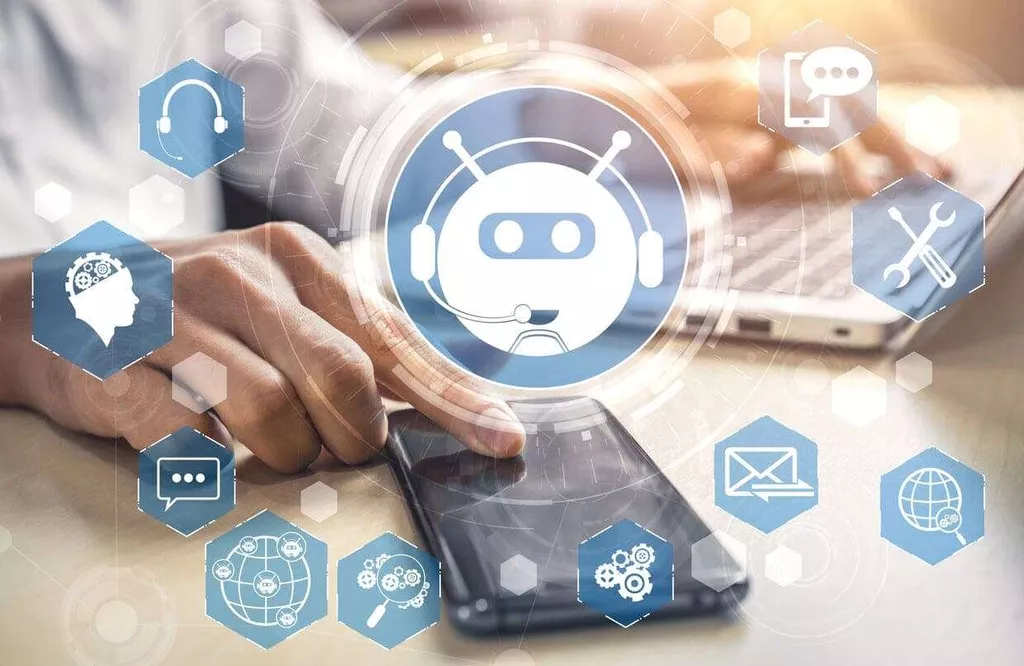
SLMs are well-suited for the limited hardware of smartphones, supporting on-device processing that quickens response times, enhances privacy and security, and aligns with the trend of edge computing in mobile technology. While it’s possible to load these models into RAM with a CPU, it’s painfully slow – which is why LLMs perform so well on unified architectures like M-series with fast, low-latency memory. As a result, many turn to cloud resources, given the scarcity and high cost of GPUs.
- Indeed, ChatGPT is the first consumer-facing use case of LLMs, which previously were limited to OpenAI’s GPT and Google’s BERT technology.
- Like we mentioned above, there are some tradeoffs to consider when opting for a small language model over a large one.
- Therefore, due to GPT-3.5 and Llama-2–13b-chat-hf difference in scale, direct comparison between answers was not appropriate, however, the answers must be comparable.
- Another differentiating factor between SLMs and LLMs is the amount of data used for training.
- That’s where SuperAnnotate comes into play, helping businesses build high-quality datasets that are crucial for fine-tuning language models to meet specific needs.
For someone to use these small, open LMs, they need to conduct their analysis with constraints of time, money, computational resources is a complicated task, and identify the LMs fit for their use. Technical reports of some LMs (Team et al., 2024b, c) report performance on different benchmarks, but they are more theoretical than in a practical usage setting. The impressive power of large language models (LLMs) has evolved substantially during the last couple of years. A recent work (Zhao et al., 2024) dives into efficacy of LoRA (Hu et al., 2022a) fine-tuning of smaller LMs, but uses static prompts, and limits to varying task types only.
Alexander Suvorov, our Senior Data Scientist conducted the fine-tuning processes of Llama 2. According to Figure 6, 0.5 was established as the cut-off for quality and 0.6 represents the average quality of the result produced by Llama-2–13b-chat-hf. This is because, as the similarly ranges from -1 being opposite, 1 being an exact match, and 0 being unrelated to the value of 0.5, which seems reasonable argument.
An SLM retains much of the functionality of the LLM from which it is built but with far less complexity and computing resource demand. SLMs are used to develop AI-powered chatbots and virtual assistants that handle customer inquiries, provide personalized responses, and automate routine tasks. Their efficient understanding and generating natural language makes them ideal for enhancing customer service experiences. This cost-effectiveness benefits organizations with limited budgets or those looking to deploy NLP solutions at scale without high infrastructure costs. Likewise, there is no clear definition of hthe number ofparameters large and small language models have. Larger models are considered to handle 100 million or more parameters, or according to other sources, 100+ billion.
The post Small Language Models SLMs 2024 overview appeared first on SOOPSTENIE.mk.
]]>The post 26 Best Real Life Chatbot Examples Famous Brands appeared first on SOOPSTENIE.mk.
]]>How A Huge Utility Is Innovating With Chatbots For Better Customer Connections

It was built by Existor and it uses software created by Rollo Carpenter. Eviebot has become a viral phenomenon after YouTubers started flirting with her and recorded their efforts. There is a difference between AI chatbot technology developed by Facebook and chatbots designed for Facebook Messenger. Meena is a revolutionary conversational AI chatbot developed by Google. They claim that it is the most advanced conversational agent to date.
Intelagent is deployable on multiple platforms including websites and social media channels where utility customers usually ask questions. The solution ensures that energy utility companies do not lose customers even if they shift homes by facilitating efficient communications and support for the transition from one location to the next. Moreover, the solution also generates accurate bills that reflect the final utility consumption at the old address. Unlike traditional chatbots, AI agents can autonomously resolve a wide range of customer requests, from simple inquiries to complex issues.
When a customer or team member makes a request (e.g., checking the status of an order) the chatbot can relay the request to an RPA bot to carry out the task. Boost.ai offers a no-code chatbot conversation builder for customer service teams with the ability to process human speech patterns. It also uses NLU (natural language understanding), allowing chatbots to analyze the meaning of the messages it receives rather than just detecting words and language.
Exelon plans to launch it soon, allowing customers to use a variety of messaging platforms and digital assistants to ask billing and outage questions. Increasing consumer expectations, aging infrastructure, and disruptive technologies are all changing the utility sector as we know it today. Companies also face a lot of competition in terms of customer service.
7 Support
Provide intelligent, automated, always-on self-service to immediately resolve routine inquiries on topics such as duplicate billing, tariff plans, usage, and terms and conditions. Transition seamlessly to assisted service—the full conversation context transfers as well—for more complex requests and inquiries. Better identify customers likely to surface complaints or issues and then intervene for a timely resolution, steering customers to the best escalation channel for their intent. Promote the next best action based on customer intent and history informed by big data and predictive analytics. Public and private utilities can be responsible for millions of individual customers.
This is crucial for users who need specific functionalities tailored to their unique requirements. Tools like Gemini and Microsoft Copilot excel in this area, providing robust integration capabilities and advanced natural language processing to suit various applications. Now, it’s more evident than ever that a utility company should consider including conversational AI in its customer service strategy. While the chatbot is powerful, not every user requires all its capabilities.
Some AI tools may store interactions to improve their services. Always review the privacy policies of any chatbots for utilities AI-powered chatbots you use. Ensure these policies offer the level of protection required for your data.
Different use cases for chatbots in the utility sector
Read moreFind out how to name and customize your Tidio chat widget to get a great overall user experience. It only takes about 7 seconds for your customers to make their first impression of your brand. So, make sure it’s a good and lasting one with the help of a catchy bot name on your site. You can start by giving your chatbot a name that will encourage clients to start the conversation.
You can set the bot to pause when a customer gets assigned to an agent and unpause when unassigned. With the bots automatically handling the most common customer questions, agents can focus on solving the complex issues that require a human touch. It’s also worth noting that HubSpot’s more advanced chatbot features are only available in its Professional and Enterprise plans. In the free and Starter plans, the chatbot can only create tickets, qualify leads, and book meetings without custom branching logic (custom paths based on user responses and possible scenarios).
- Drift is best known as a sales artificial intelligence (AI) bot.
- Try to play around with your company name when deciding on your chatbot name.
- If you are an online store or any other business that handles many customers, you should know one thing.
- Let’s dive into each category to help you find the perfect fit.
- The software aims to make building, launching, and maintaining a virtual agent simple.
- For instance, you can combine two words together to form a new word.
The Photobucket team reports that Zendesk bots have been a boon for business, ensuring that night owls and international users have access to immediate solutions. Then, the chatbot can pass those details, along with context from past customer data, to an agent so they can quickly resolve the issue. Recent customer service statistics show that many customer service leaders expect customer requests to rise in coming years. However, not all businesses are ready to add more team members to the payroll. We help brands improve customer experience and dramatically reduce costs. Your bot will listen to all incoming messages connected to your CRM and respond when it knows the answer.
Best Chatbot for Customization
The AI chatbots can provide automated answers and agent handoffs, collect lead information, and book meetings without human intervention. ProProfs prioritizes ease of use over advanced functionality, so while it’s simple to create no-code chatbots, more advanced features and sophisticated workflows may be out of reach. Zowie is a self-learning AI that uses data to learn how to respond to customer questions, meaning it leverages machine learning to improve its responses over time. This solution is prevalent among e-commerce companies that offer consumer goods that fall under categories like cosmetics, apparel, appliances, and electronics.
There are many examples of chatbots in the food industry but Domino’s chatbot stands out. Experts claim that mental health chatbots cannot replace interacting with real humans. The technology itself worked fine but the incident left a bad taste in the mouth. That’s why Tay is one of the best chatbot examples and worst chatbot examples at the same time.

Looking for AI similar to ChatGPT that seamlessly integrates with your favorite Google apps? After a careful examination of Gemini, we can confidently say it’s a formidable force to be reckoned with. Previously known as Bard, Gemini has evolved to offer unique advantages, especially if you’re already embedded in Google’s ecosystem.
As you search for AI chatbot software that serves your business’s needs, consider purchasing bots with the following features. The Certainly AI assistant can recommend products, upsell, guide users through checkout, and resolve customer queries related to complaints, product returns, refunds, and order tracking. Today’s customers demand fast answers, 24/7 service, personalized conversations, proactive support, and self-service options. Fortunately, chatbots for customer service can help businesses meet—and exceed—these expectations.
Monitor the performance of your team, Lyro AI Chatbot, and Flows. Still, to maximize efficiency, businesses must train the bot using articles, FAQ, and business terminology documentation. If the bot can’t find an answer, someone from your business will need to train it further and update the knowledge base. The old rules of the application development lifecycle, which required lengthy software packaging, manual testing, environment creation, and software deployment are falling away, Menendez says.
Reduce costs and scale support
It’s less confusing for the website visitor to know from the start that they are chatting to a bot and not a representative. This will show transparency of your company, and you will ensure that you’re not accidentally deceiving your customers. Explore these alternatives to ChatGPT and find the one that will elevate your productivity and creativity. With so many great options available, you’re sure to discover an AI tool that’s just right for you. Dive in, experiment, and see how these innovative tools can make a difference in your work and projects. Finding the right alternatives can transform how you leverage AI in your daily tasks.
It’s also well-adopted among companies in industries like health, tech, telecom, travel, financial services, and e-commerce. Plus, it has multiple APIs (application programming interfaces) and webhook (automated communication between two apps) options for reporting, data sharing, and more. For instance, the platform can access customer and order information within your CRM system to determine and communicate the status of an order to your customer. “We need to be continuously testing new digital technologies that can be rapidly deployed to delight our customers,” Menendez says. Our technology easily integrates with Customer Service Software, CRMs and digital channels such as WhatsApp and Social Networks. Katherine Haan is a small business owner with nearly two decades of experience helping other business owners increase their incomes.
Some users prefer AI-powered chatbots that are more streamlined or specialized. These chatbots can better meet specific needs, such as content creation, business integration, or research. For instance, content creation benefits from a chatbot focusing solely on generating text. Business integration needs are addressed by chatbots that link with other software or platforms. Research-oriented chatbots could offer tools for data analysis or information gathering.
According to PwC, customers are willing to spend 16% more (link resides outside of ibm.com) in exchange for great customer experiences. The primary benefit of bots that support omnichannel deployment is that they can help provide a consistent customer experience on all channels. Many chatbots can gather customer context by conversing with them or accessing your business’s internal data to streamline service. Customer service chatbots can protect support teams from spikes in inbound support requests, freeing agents to work on high-value tasks. Zoom Virtual Agent, formerly Solvvy, is an effortless next-gen chatbot and automation platform that powers good customer experiences.

The software replies to customers regarding billing assistance, relocation setup inquiries, new plans, promotional offers, and other queries popular in the utility sector. It uses AI to handle seasonal call surges and answers customers’ questions accurately and in a personalized manner. Moreover, it shifts the customers from chat to live calls, if needed, for the best customer service experiences. UK-based startup We Build Bots develops Intelagent, an energy and water utility chatbot for customer assistance.
Let’s have a look at the list of bot names you can use for inspiration. We began by compiling a comprehensive list of apps like ChatGPT, including both free and paid options. This initial step involved extensive research, considering user reviews, expert opinions, and feature lists. Writesonic is our top pick because it’s super efficient and saves time by storing your brand data.
Additionally, use of a chatbot facilitates the efficient gathering of robust data about the nature of customer service inquiries and their resolution. This provides information the organization can use to continually improve its customer service program and processes. Usually, the typical touchpoints that a utility business has with customers are an app, a website, and social media. It takes lots of resources to manage and maintain all these channels. Chatbots help these companies deliver a unified experience across all channels, increasing customer satisfaction. Energy or gas companies are faced with a steady stream of inquiries, often deepened by sudden spikes in traffic related to outages and technical problems that overwhelm customer support.
Sign up for a free, 14-day trial to discover how Zendesk AI agents can streamline customer service management and enhance your business’s support capabilities. Customer service savvy businesses use AI chatbots as the first line of defense. When bots can’t answer customer questions or redirect them to a self-service resource, they can gather information about the customer’s problem.
While ChatGPT excels in data analysis and voice interactions, Gemini shines in its effortless connectivity with Google’s suite of tools. If you live and work within Google apps, these features are hard to ignore. Moreover, Google is embedding Gemini directly into Chrome and Android, further streamlining your workflow.
Boost.ai has worked with over 200 companies, including over 100 public organizations and numerous financial institutions such as banks, credit unions, and insurance firms in Europe and North America. On top of its virtual agent functionality for external customer service teams, boost.ai features support bots for internal teams like IT and HR. Zowie’s customer service chatbot learns to address customer issues based on AI-powered learning rather than keywords. Zowie pulls information from several data points like historical conversations, knowledge bases, FAQ pages, and ongoing conversations. The better your knowledge base and the more extensive your customer service history, the better your Zowie implementation will be right out of the box.
Best AI Chatbots of 2024 U.S.News – U.S. News & World Report
Best AI Chatbots of 2024 U.S.News.
Posted: Wed, 08 May 2024 07:00:00 GMT [source]
If you are eager to play around with chatbots right here and now, visit our chatbot templates library. You can test out popular chatbots for various industries without signing up. Mitsuku is the most popular online chatbot and it won the Loebner Prize Turing Test four times. But only because you are a human and not just pretending to be one. Lyro’s self-learning capability enables it to handle up to 80% of frequently asked questions. It’s also a scalable solution that grows with your business and changes according to your needs.
Most of the conversations use quick replies—you choose one of the suggested dialog options. It feels like an interactive, conversational psychological test. They can have their own personality and become a soul mate for people who are going through a tough time in their life. Discover how this Shopify store used Tidio to offer better service, recover carts, and boost sales.
Transforming Energy and Utility Companies for the Digital Age
The Orb is essentially the pre-built chatbot that businesses can customize and configure to their needs and embed on their app, platform, or website. Finally, your team can design, create, and execute conversational experiences in the Console. Using NLP, UltimateGPT enables global brands to automate customer conversations and repetitive processes, providing support experiences around the clock via chat, email, and social. Built for an omnichannel CRM, Ultimate deploys in-platform, ensuring a unified customer experience. Laiye, formerly Mindsay, enables companies to provide one-to-one customer care at scale through conversational AI.
It provides customer-mindset analytics and actionable AI-based digital empathy to improve loyalty, reducing churn. The startup’s chatbot maps customer’s online behavior and interacts with them when an opportunity comes up, as well as predicts the customer’s water or electricity demand and offers deals accordingly. It further allows utility services to cross-sell other plans to existing customers based on their interactions. At deployment, chatbots can be preloaded with a utility company’s most common FAQs and website navigational questions from customers. ” can be answered instantaneously via back-and-forth conversation. Every single one of those tickets is deflected from human support professionals, reducing staffing needs for call centers.
While most companies can predict the rise and fall of customer support demand, utilities may experience unprecedented surges in demand. You can foun additiona information about ai customer service and artificial intelligence and NLP. Natural disasters like hurricanes or floods can increase inquiries to the help center. During these crises, the utility sector must respond rapidly with a coordinated effort to restore service while also dealing with providing customer support.
Chatbots for utilities can be used to proactively resolve these kinds of irregularities automatically, with no need to involve human support. This allows for the minimization of redundancy across channels. A transactional virtual assistant allows logged-in users to review each invoice in their accounts. They can return the bill via chat or email if they think something needs to be corrected. Also, some companies are already implementing chatbots that offer instant payment methods to pay bills through these channels.
This chatbot had been developed by Stanford University for the Alexa Prize competition. It uses advanced neural networks and focuses on creating engaging https://chat.openai.com/ conversational experiences. For example, Globe Telecom—a provider of telecommunications services in the Philippines—has over 62 million customers.
Does the chatbot integrate with the tools and platforms you already use? If you have customers or employees who speak different languages, you’ll want to make sure the chatbot can understand and respond in those languages. AI-powered chatbots build customer loyalty through instant, positive and frictionless service and support experiences. Escalate high-value requests to agents through live chats to continue the focused support. Chatbots can help with regular inquiries, yet their efficiency in moments of crisis could be a game-changer for increasing customer satisfaction.
It’s about to happen again, but this time, you can use what your company already has to help you out. If it is so, then Chat GPT you need your chatbot’s name to give this out as well. Let’s check some creative ideas on how to call your music bot.
- See how Ambit automates customer service at scalewhile reducing costs and generating revenue.
- Businesses of all sizes that are looking for an easy-to-use chatbot builder that requires no coding knowledge.
- Take control of these processes, save time and simplify management.
If you already have a help center and want to automate customer support, Zendesk AI agents can seamlessly direct customers to relevant articles. Surprised that an electric utility is on the cutting edge of chatbot innovation? You shouldn’t be, since it’s not the industry you’re in that drives what customers expect. The Fortune 100 company works across the energy industry in generation, sales, and transmission.
However, Haptik users do report that the chatbot has limited customization abilities and is often too complex for non-programmers to configure or maintain. Einstein GPT fuses Salesforce’s proprietary AI with OpenAI’s tech to bring users a new chatbot. It is the latest iteration of Salesforce’s previous chatbot, Einstein. Whether it is a change of invoice to paper, a change of ownership or a change of payment address.

Writesonic is another strong option that delivers similar features. These tools help you create high-quality content quickly and efficiently. They are excellent alternatives for those needing specialized capabilities beyond the AI tool. No matter which industry you’re in, there are definitely some processes you could automate using chatbots. Zoom provides personalized, on-brand customer experiences across multiple channels. So wherever your customers encounter a Zoom-powered chatbot—whether on Messenger, your website, or anywhere else—the experience is consistent.
With it, businesses can create bots that can understand human language and respond accordingly. Energize your business and customer relationships with the power of artificial intelligence, machine learning, and AI-powered agents. [24]7.ai solutions let you support your customers whenever they want it and on their device of choice. Use data to predict consumer intent and then respond in real time, creating happy customers and advocates for your business. E.ON is one of the largest energy networks and infrastructure operators in Europe, serving over 50 million customers in 15 countries.
With conversational AI, customer service no longer needs to be constantly alert. A proactive chatbot for utilities can take over various inquiries from support staff. There are usually the most common ones, such as login errors, account problems, or guidance within the website.
The post 26 Best Real Life Chatbot Examples Famous Brands appeared first on SOOPSTENIE.mk.
]]>